Infrared and traditional saunas both deliver genuine wellness benefits — but they feel completely different and work in distinct ways. Here is what you need to know before choosing.
The Heat Source
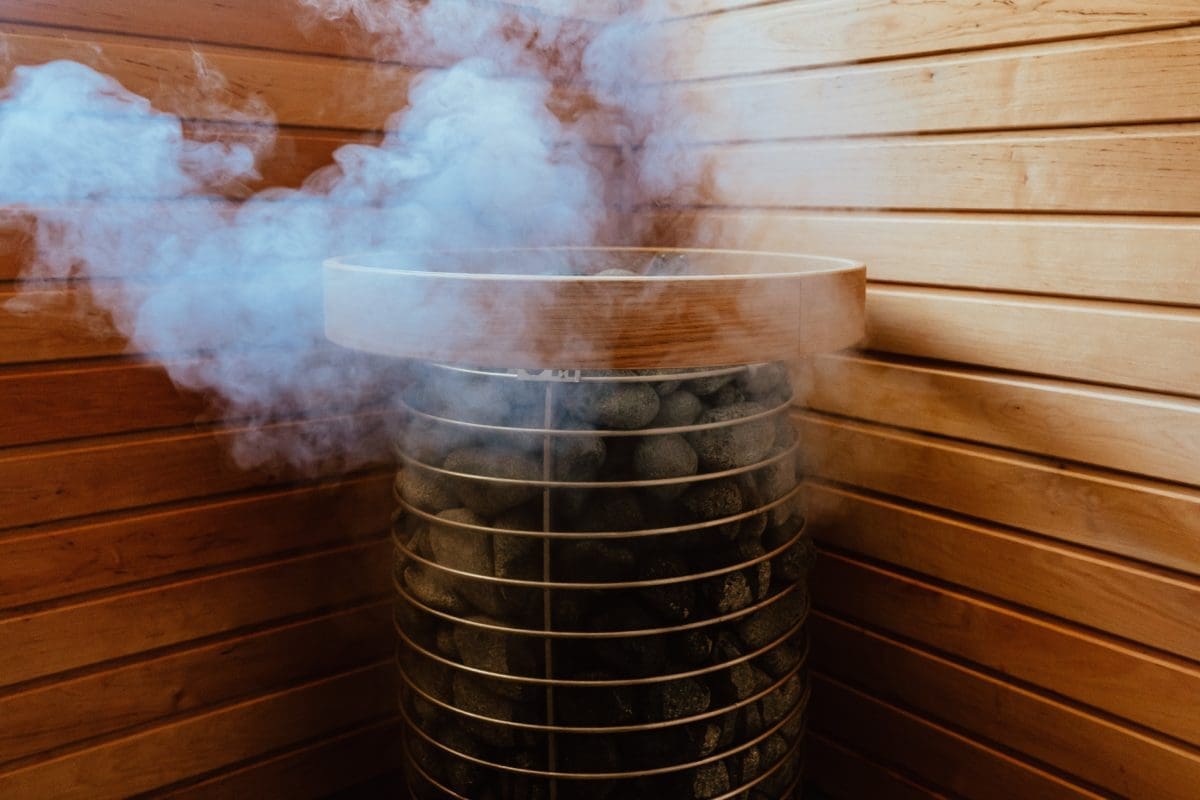
Traditional saunas use a heater — electric or wood-burning — to heat the air in the room to 160–200°F. The hot air then heats your body from the outside in. Infrared saunas use infrared light panels that emit radiant heat, warming your body directly without heating the surrounding air significantly. Temperatures typically sit between 120–150°F.
Heat-Up Time
Traditional: 30–45 minutes to reach temperature. Infrared: 10–15 minutes. Ready when you are.
The Experience
Traditional saunas are intense and immersive — the high heat, the option to pour water on stones (löyly), the steam and the ritual. Infrared is gentler, drier, and more tolerable for longer sessions. Many people find they can sit in infrared heat for 40–60 minutes comfortably where they might only manage 15 in a traditional sauna.
Health Benefits
Both deliver cardiovascular benefits, improved circulation, and stress relief. Infrared penetrates tissue more deeply, which advocates say enhances muscle recovery and detoxification. Traditional sauna has a longer history of clinical research backing cardiovascular and longevity benefits.
Which Should You Choose?
Choose traditional if you want the authentic Finnish ritual, higher heat intensity, or the social experience of löyly. Choose infrared if you want faster heat-up, gentler temperature, or focused recovery after workouts. Both are excellent — it comes down to how you want to feel.